
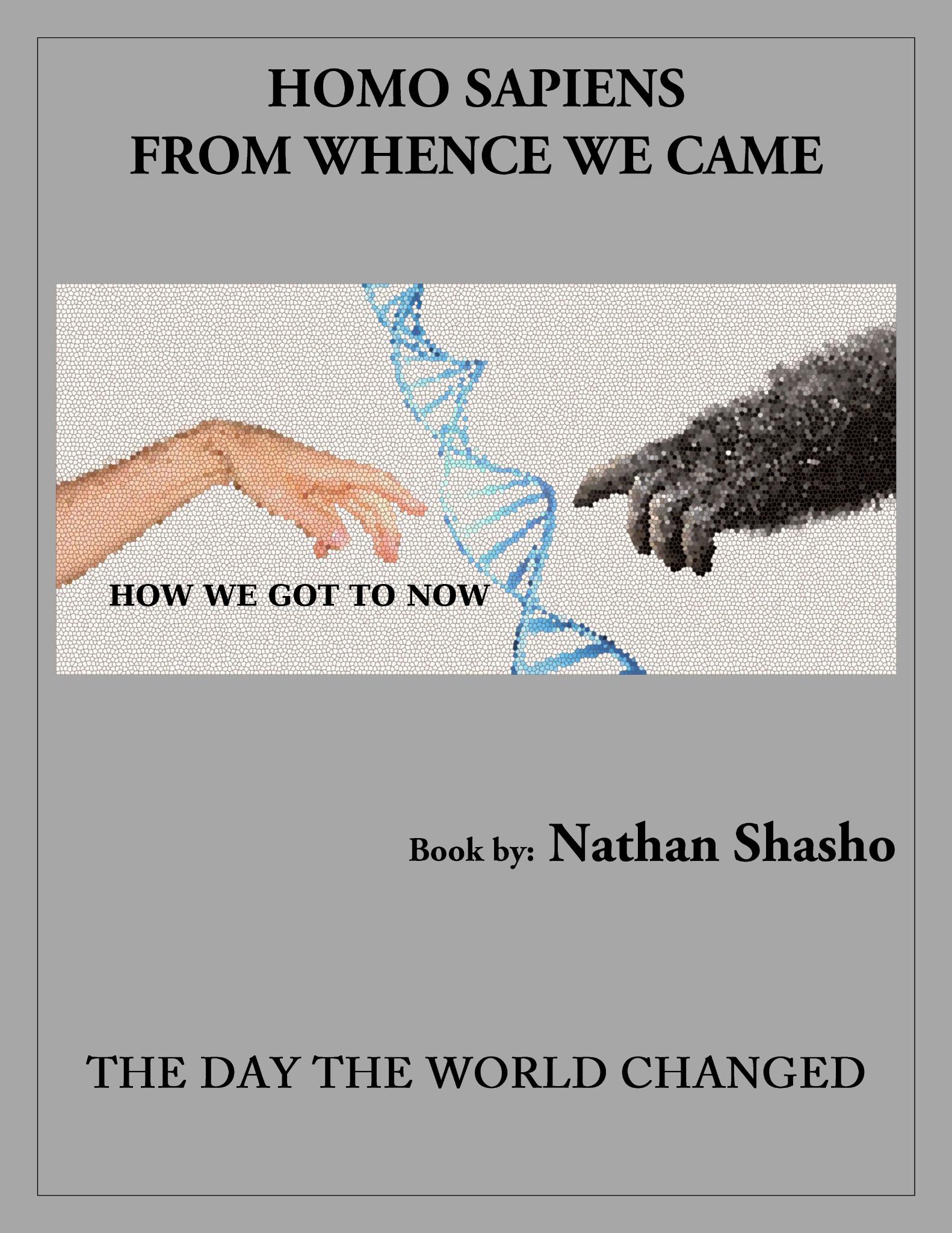
The scientific name for humans is Homo sapiens, derived from the Latin homo meaning “man,” and sapiens, meaning “wise.” Human evolution is still in its infancy. Until about 12,000 years ago, we lived as hunter-gatherers, leading nomadic lives and experiencing ourselves as just another species. We were both predators and prey, contributing to the symbiosis of the natural world.
With the evolution of the cerebral cortex, we developed speech, written language, and self-awareness. Intelligence gave rise to civilization, separating us from the natural world. Our advanced hunting skills and weaponry made us the planet’s dominant predator. However, we also inherited an overwhelming aggression toward our species.
“For most of human history, our brains dealt with pretty much straightforward problems. We looked for food, and we tried not to get eaten in the process. We hunted and gathered, and that was it for the last 50,000 years. That brain is the exact one we now use to post pictures of our pets on social media, fill out Excel spreadsheets, and worry about the next payments on our credit cards. It is not surprising that our brains sometimes get overloaded in this hugely complex modern world, with stress, anxiety, and depression.” (Curiosity Stream: The Imperfect Brain).
Evolutionary science has linked us to our closest DNA relatives, the great apes. The line to hominins began between 6 million and 8 million years ago when we last shared common ancestors with living bonobos and chimpanzees. Chimpanzees’ behavior eerily resembles that of humans. We share much of our DNA with them, which explains our aggressive, territorial behavior.
Despite calling ourselves a “civilized” species, defined as having a well-developed system of government, culture, and fairness, our history tells a different story. A “civilized society” is supposed to treat its people fairly, with justice at its core. We also describe ourselves as “humane,” which implies compassion and care for humans and animals. Yet, when we look at the scope of human behavior over the past 12,000 years, it becomes difficult to use either “humane” or “civilized” to describe the human species.
Since the beginning of our evolutionary history, humans have proven to be the most aggressive and violent of all species on this planet. The historical evidence, which is in no way complete in spite of the many examples in my book, clearly illustrates man’s ability to set aside his compassion and empathy not just for other humans but all living things, including the environments necessary for other living species to survive. Yet with all the history of conquerors, world wars, civil wars, genocides, massacres, ethnic cleansing, colonialism, slavery, human trafficking, domestic violence, crime, corruption, terrorism, racism, human sacrifices, religious wars, and the likes of Stalin, Hitler and Mao Zedong murdering well over a hundred million humans in the 20th century…. most people we come in contact in our every day lives don’t seem like vicious war mongers and killers. How do we explain all the horrific history humans are responsible for, and continue into the 21st century!!! This is precisely the purpose of this thesis I have written: the how and why of human history.
https://payhip.com/b/rex eBook
 Paperback
 Nathan Shasho