

I’ve explored the biological, psychological, and historical forces shaping human behavior. One idea that resonated with me comes from Marc Schoen’s Your Survival Instinct Is Killing You. He argues that the systems meant to protect us are now misfiring, leaving us more vulnerable. That struck a chord. I’ve long believed we’re caught in a biological mismatch: instincts that once kept us alive clash with the world we’ve created. Our ancestors faced tangible, immediate threats-predators, starvation, and violence. Their stress responses were short-lived and resolved through action. But today, our threats are abstract, persistent, and often inescapable. We’re overwhelmed with information, shaped by social pressure, and locked into routines that rarely allow resolution. Unlike hunter-gatherers, who could release stress through movement or confrontation, we often carry it silently, with no clear outlet.
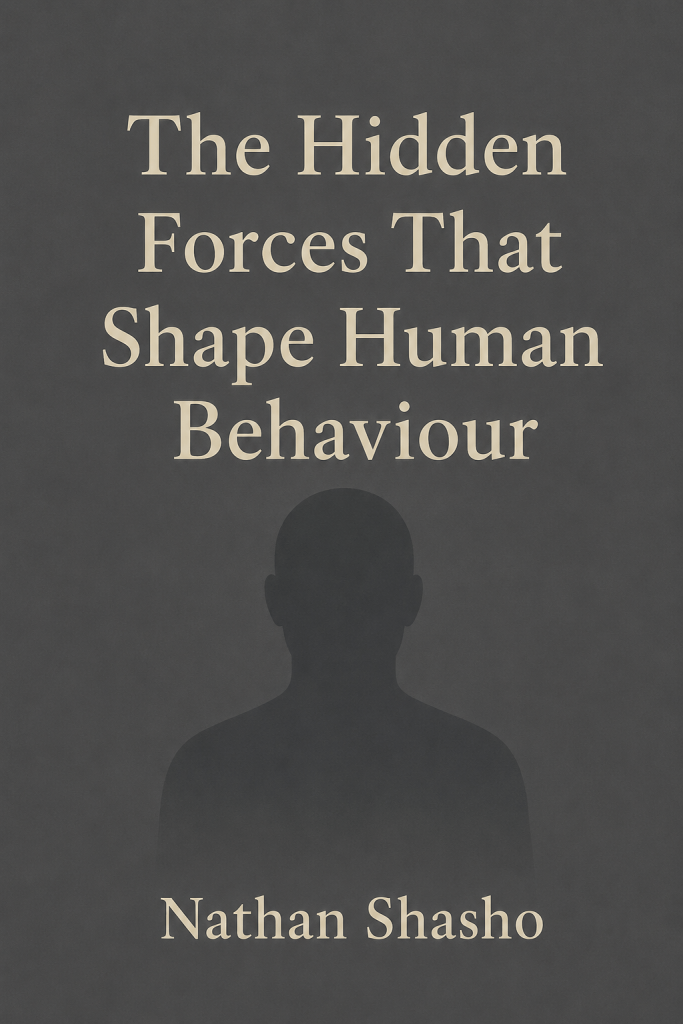
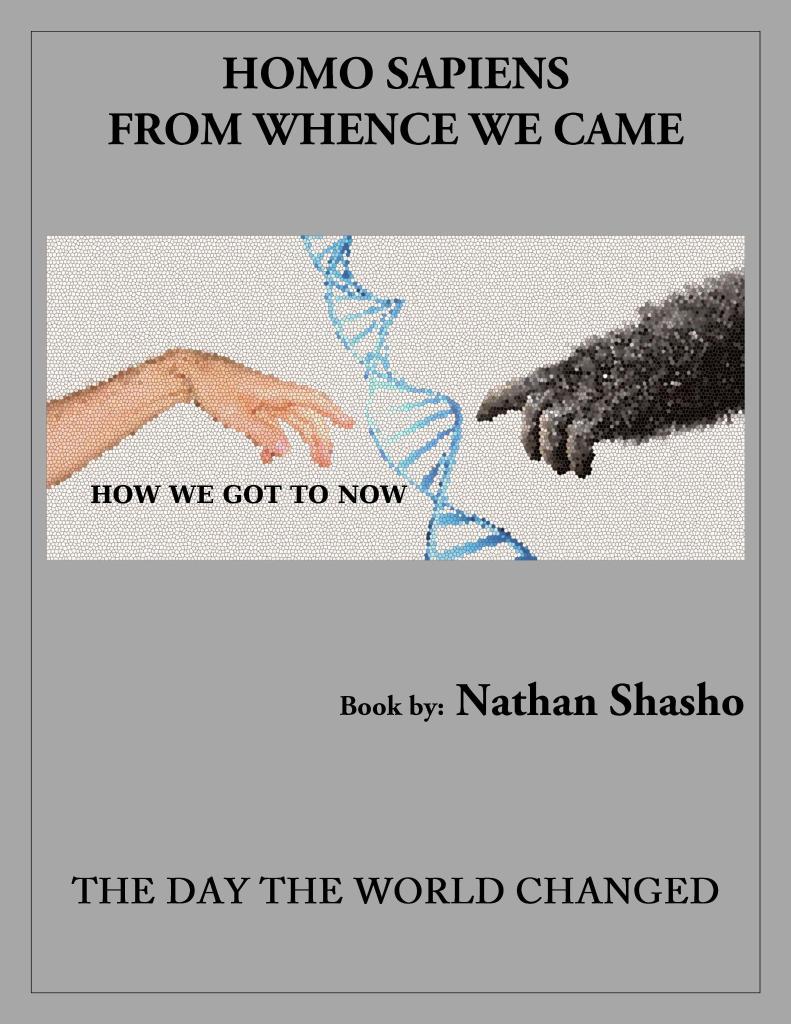
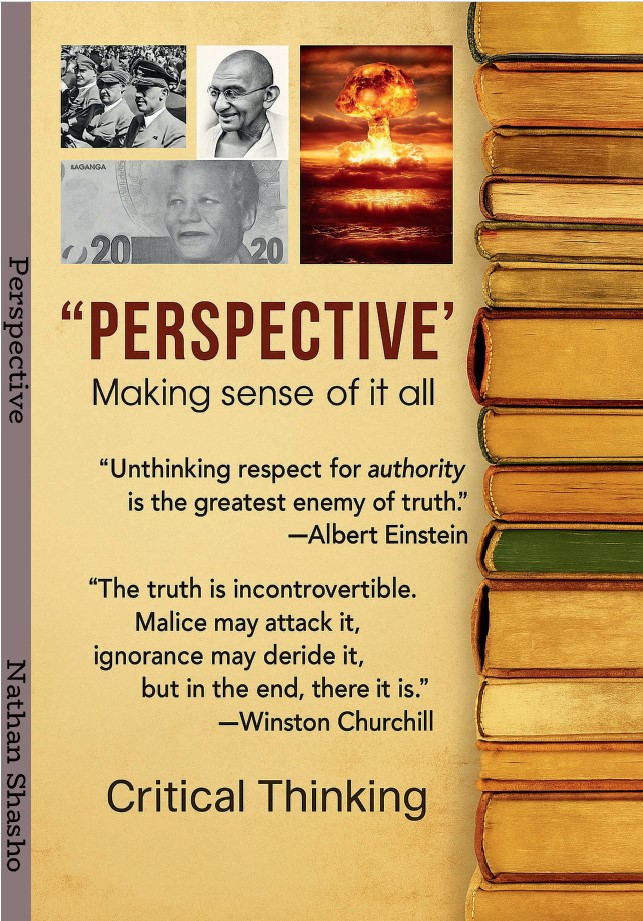
Welcome to the official website of Nathan Shasho, author of Homo Sapiens: From Whence We Came, Perspective: Making Sense of It All, The Fragile Human, and The Hidden Forces That Shape Human Behaviour.
I’m just a kid from Brooklyn.
I was born in 1948. I wasn’t supposed to become a writer. I wasn’t supposed to earn a master’s degree. I wasn’t supposed to write books about human evolution and human nature.
But life had other plans


THE INVENTION OF RACE
There is no biological basis for race. Human skin color is a surface-level adaptation, shaped by the amount of ultraviolet radiation (UVR) in different parts of the world. Our ancestors evolved dark skin in equatorial regions to protect against UV damage. As some populations migrated north and south, their skin gradually lightened to better synthesize vitamin D in lower-UV environments. That’s it. Melanin levels adjusted to geography, not to hierarchy.

The idea of race is a recent social invention, not a scientific reality. Every person alive today belongs to the same species, Homo sapiens, and to the same subspecies. The physical differences we’ve been taught to obsess over—skin tone, facial features, hair texture—are shallow, evolutionary responses to the environment. They are not markers of intelligence, morality, or capacity.
The Birth of a Dangerous Fiction
In the 1450s, a Portuguese author named Gomes de Zurara wrote a book that lumped all Africans into a single inferior category. Hired by the Portuguese crown, he was commissioned to rationalize and justify the burgeoning Atlantic slave trade. Zurara didn’t just write history—he rewrote biology. In his hands, Blackness became a trait of inferiority, and whiteness a symbol of superiority. These were not scientific observations. They were tools of propaganda.
Zurara’s lies became the foundation of a global system. Other European powers followed Portugal’s lead—raiding, enslaving, and justifying it all with pseudoscientific hierarchies. The concept of race became a weapon. It was used to divide, dehumanize, and dominate.
Why It Still Matters
The legacy of this manufactured idea endures. It shapes laws, institutions, identities, and ideologies. It fuels violence, discrimination, and generational trauma. And even today, despite mountains of scientific evidence to the contrary, many continue to believe that race is biologically real.
We are all descendants of dark-skinned African ancestors. We are all 99.9% genetically identical. The illusion of racial difference is one of the most destructive lies ever told—and it’s long past time we stopped believing this.
 Nathan Shasho